Electrical Rough In in The Junction, Toronto: What Homeowners Should Know
Electrical rough in is the phase of a renovation when an electrician runs wiring, installs outlet and switch boxes, and sets up panel connections behind the walls before insulation and drywall go up. It happens after framing and before any finishes, and it needs to pass inspection before the walls can be closed.
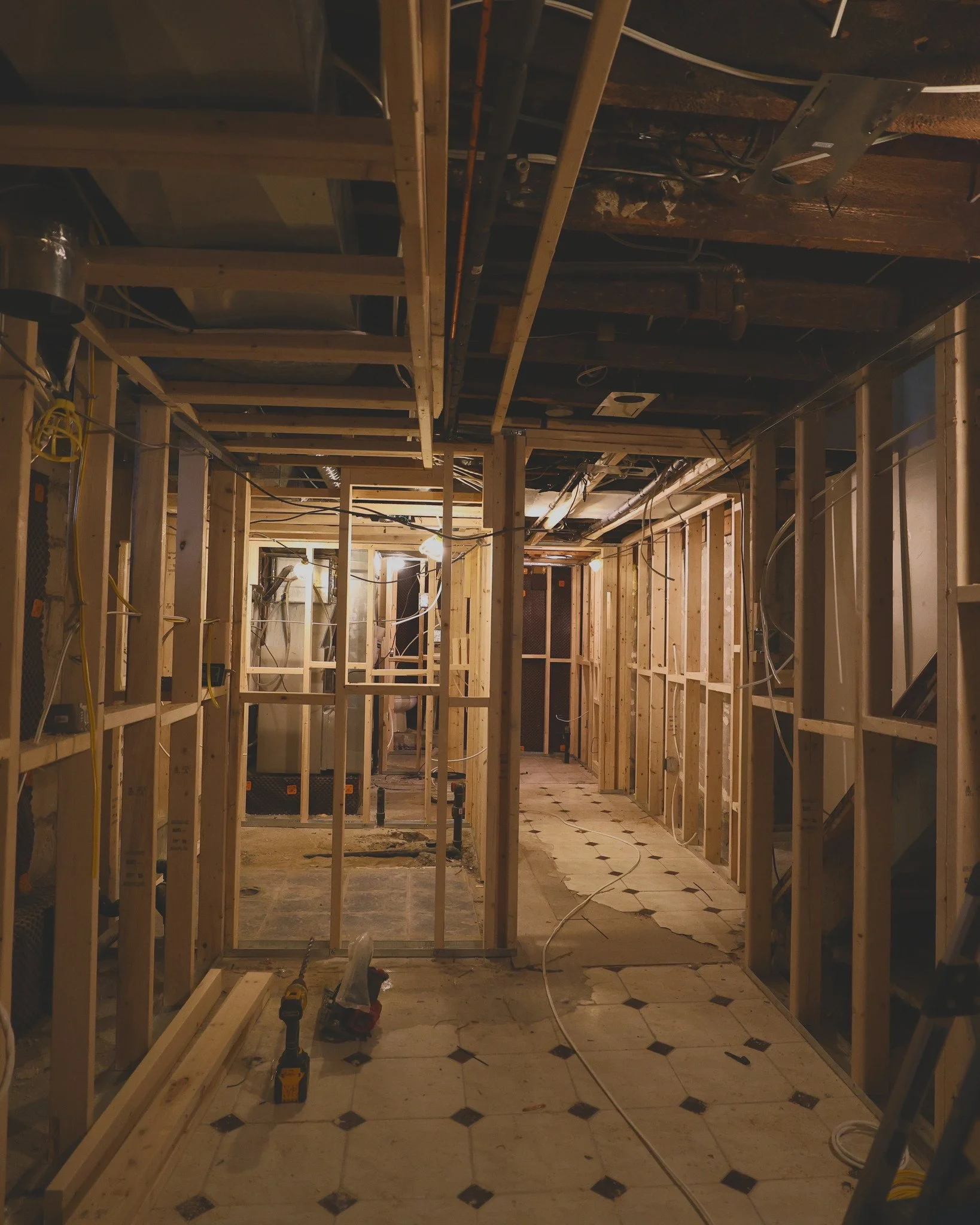
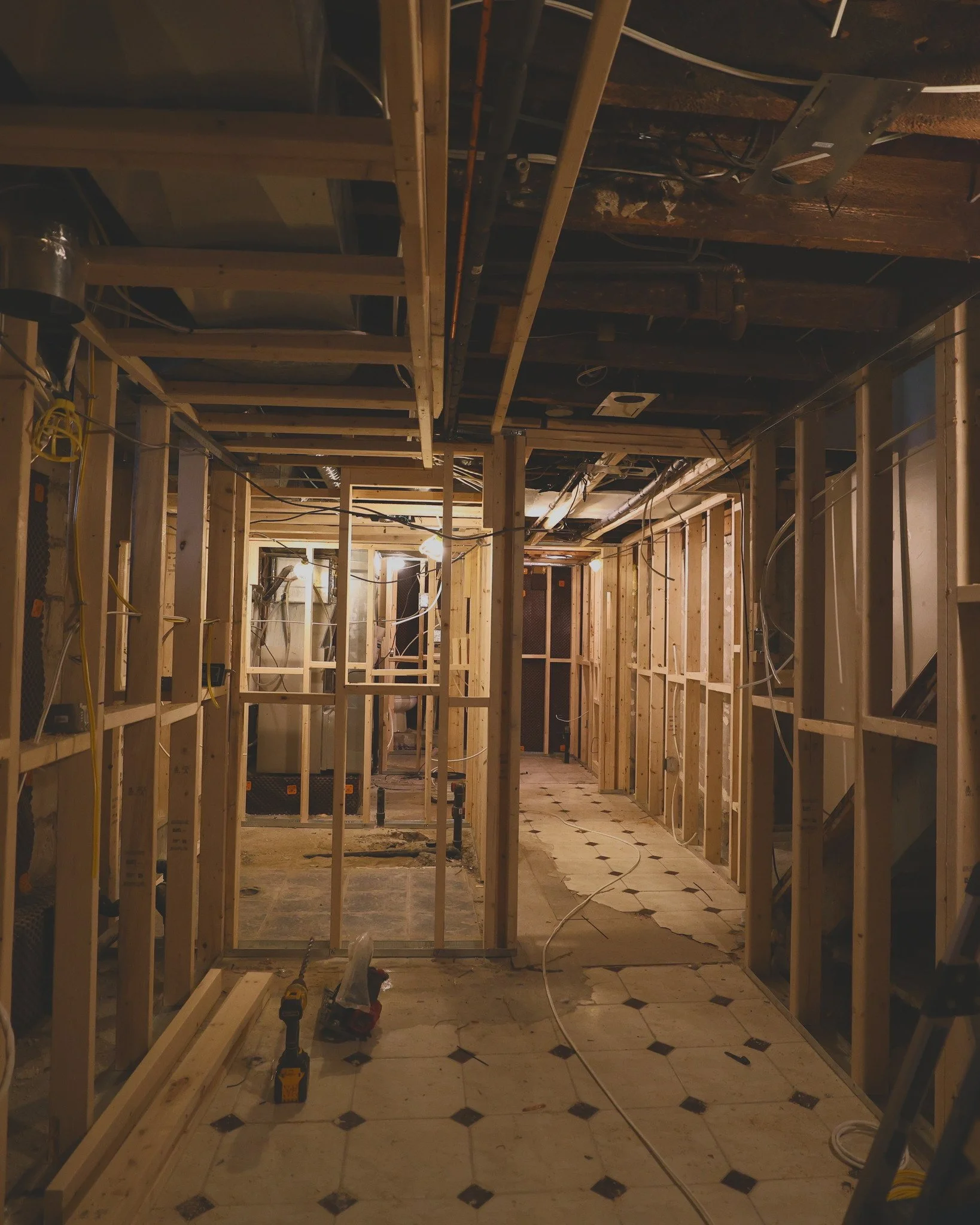
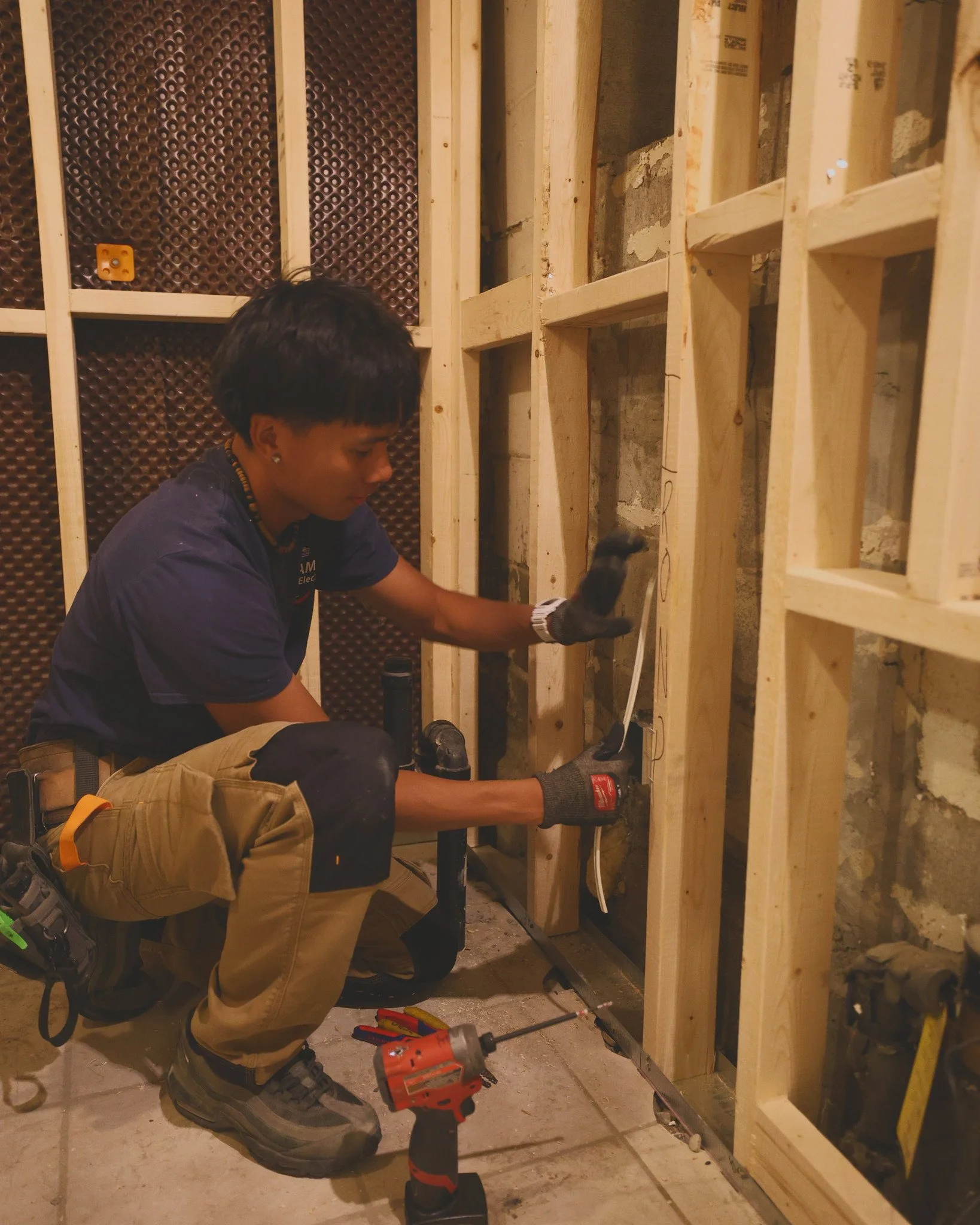
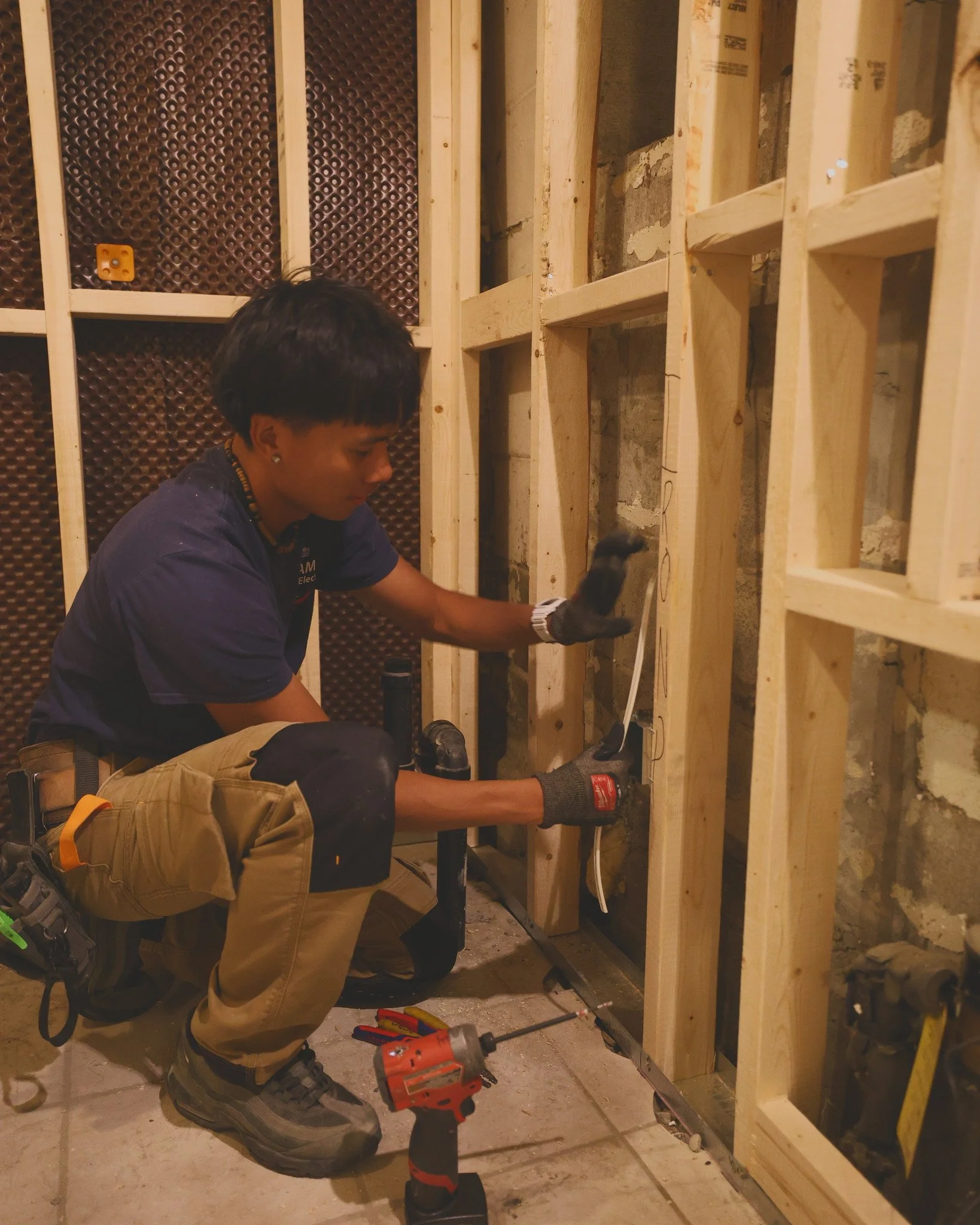
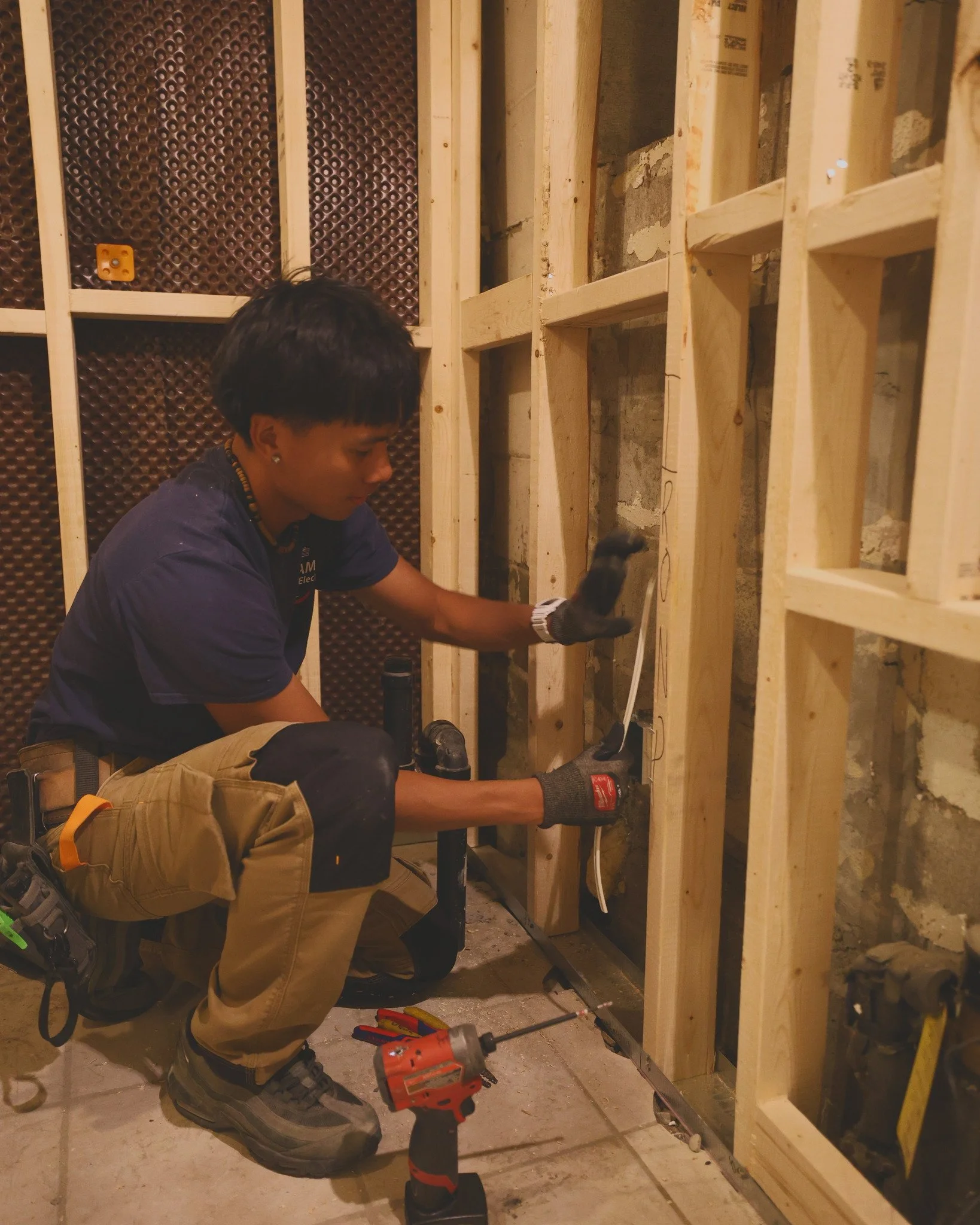
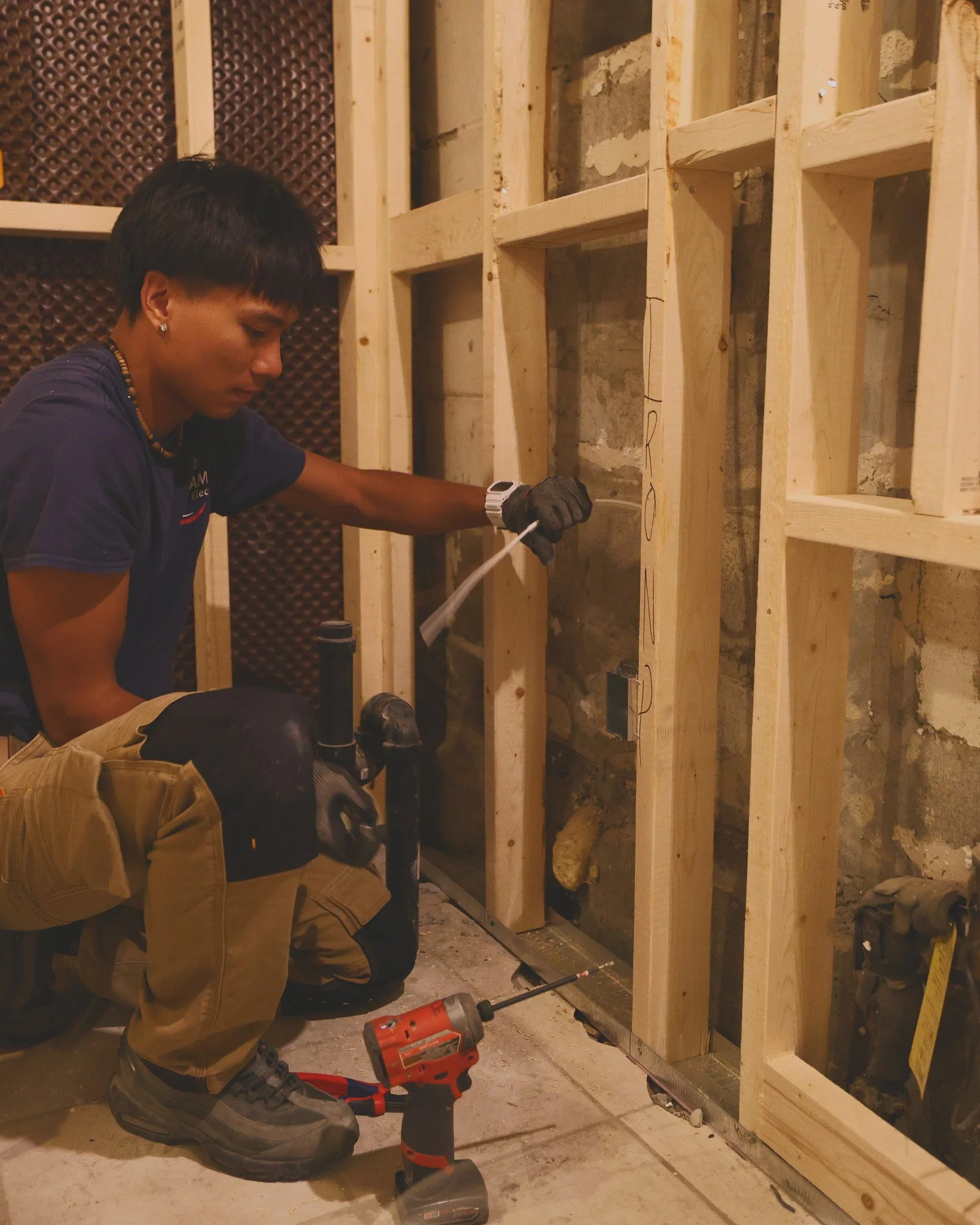
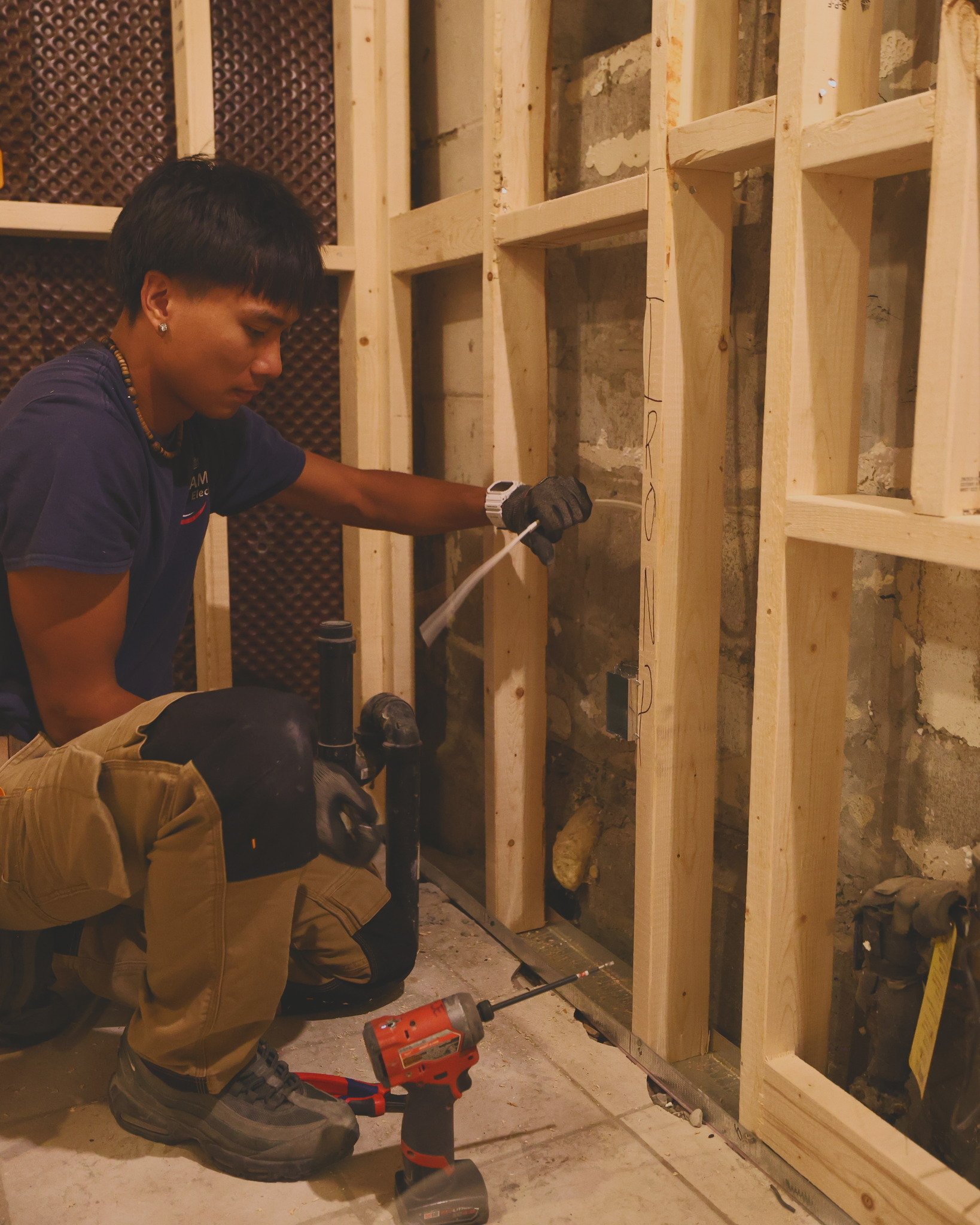
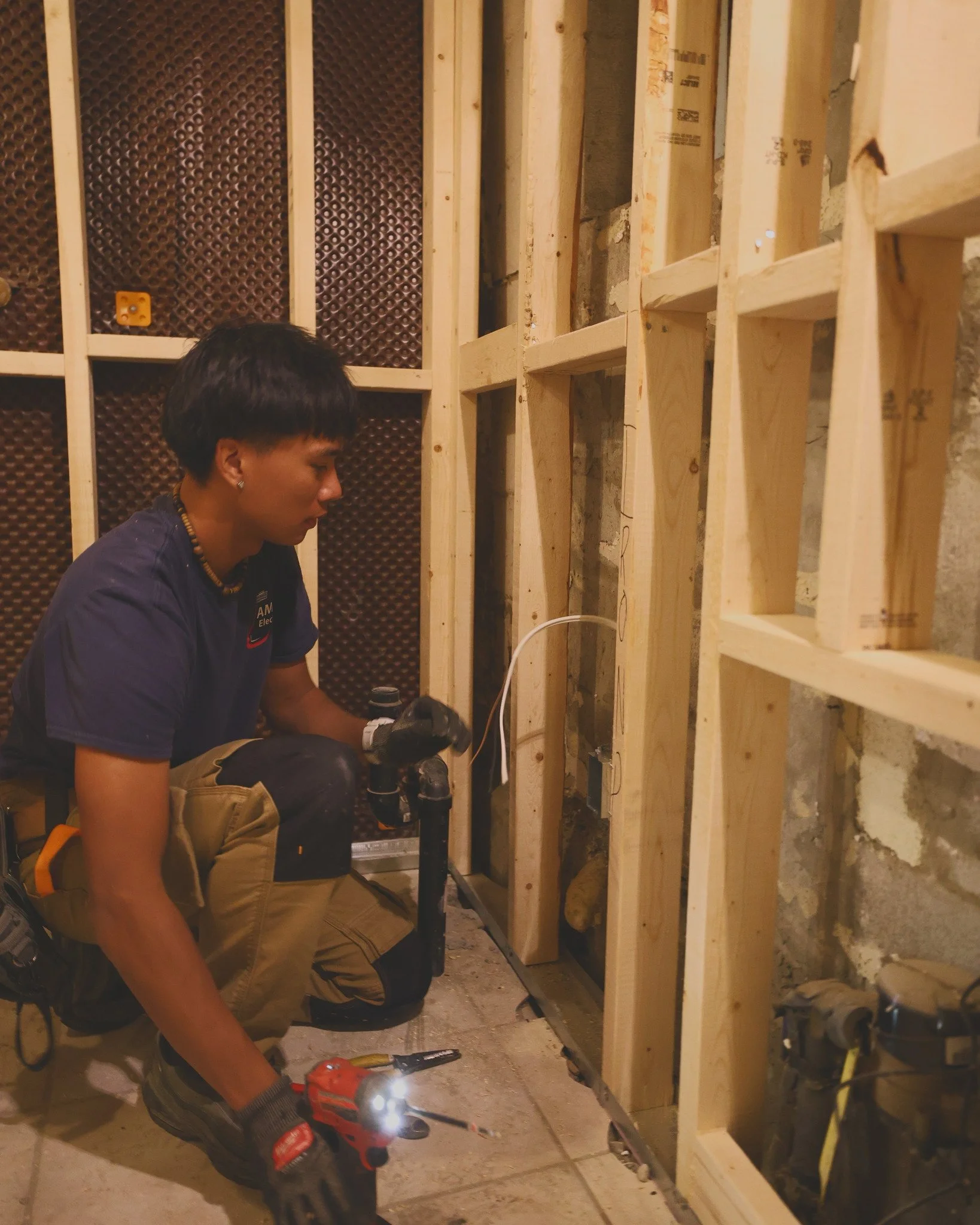
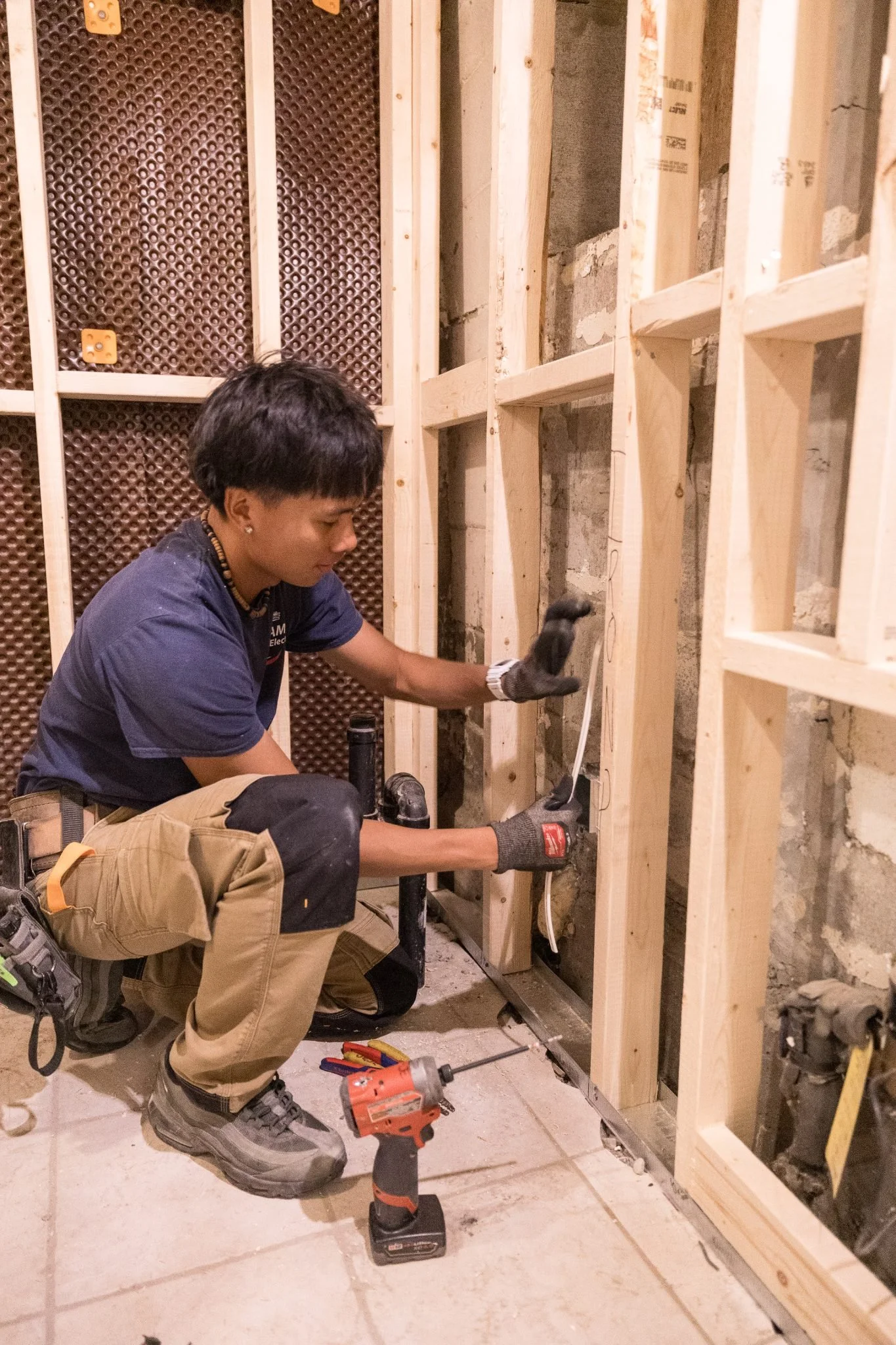
That is exactly the stage our team at AMPS Logics Electric just wrapped up on a full home renovation in The Junction, one of Toronto's older west end neighbourhoods known for its character homes and, often, its outdated wiring.
What Is Electrical Rough In and Why Does It Happen Before Drywall
Every home renovation follows a rough sequence of trades, and electrical work has a very specific window in that sequence. Once framing is complete, an electrician comes in to run cable through the walls, ceilings, and floors, mount outlet and switch boxes at the correct heights, and rough in connections for light fixtures, appliances, and any dedicated circuits the home will need.
This all happens before insulation and drywall go up because the wiring needs to be fully accessible for inspection and for any adjustments. Once drywall is installed, correcting a miscounted circuit or a missed outlet becomes far more disruptive and expensive, so getting the rough in right the first time matters enormously for the rest of the project.
Our Recent Rough In Project in The Junction
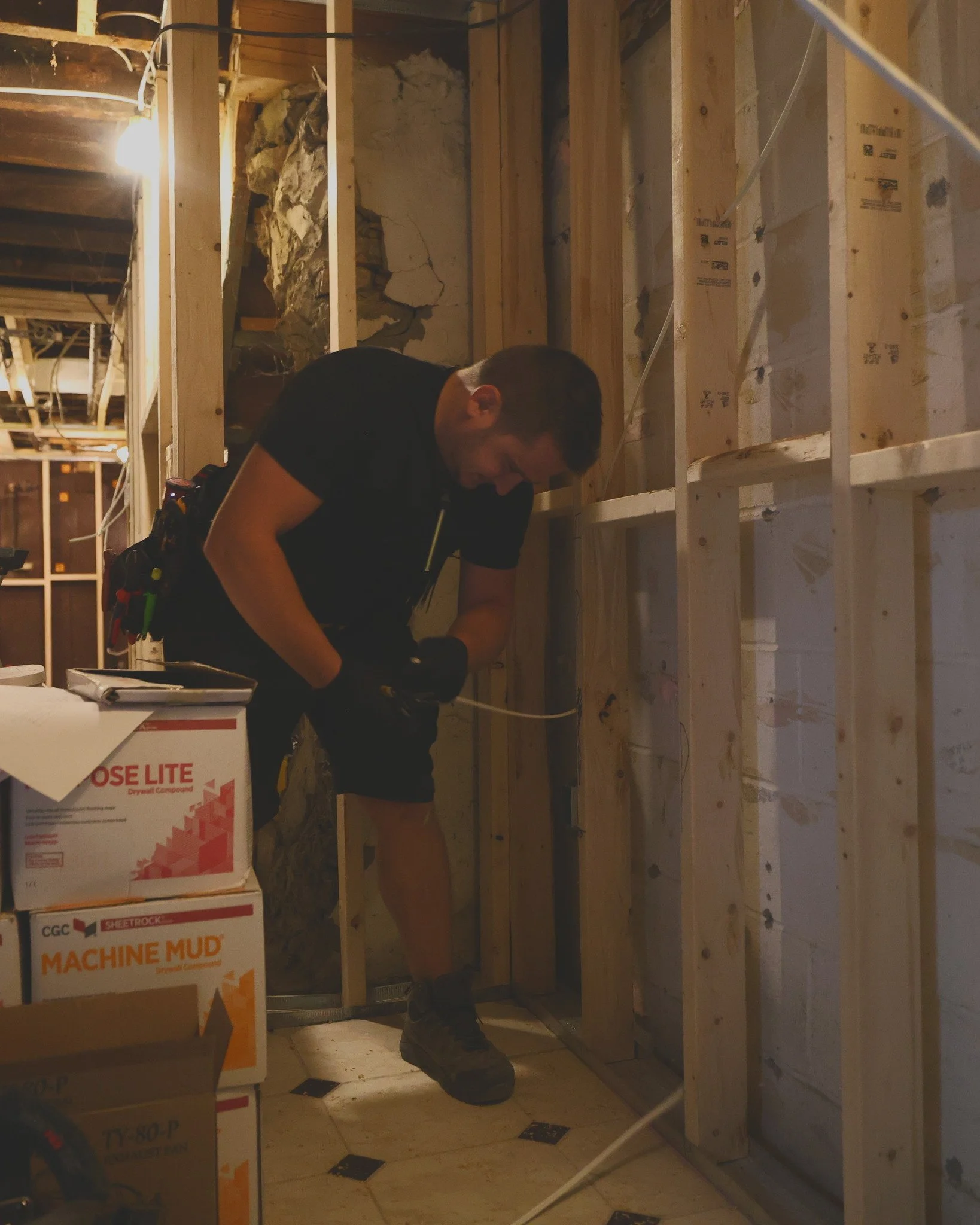
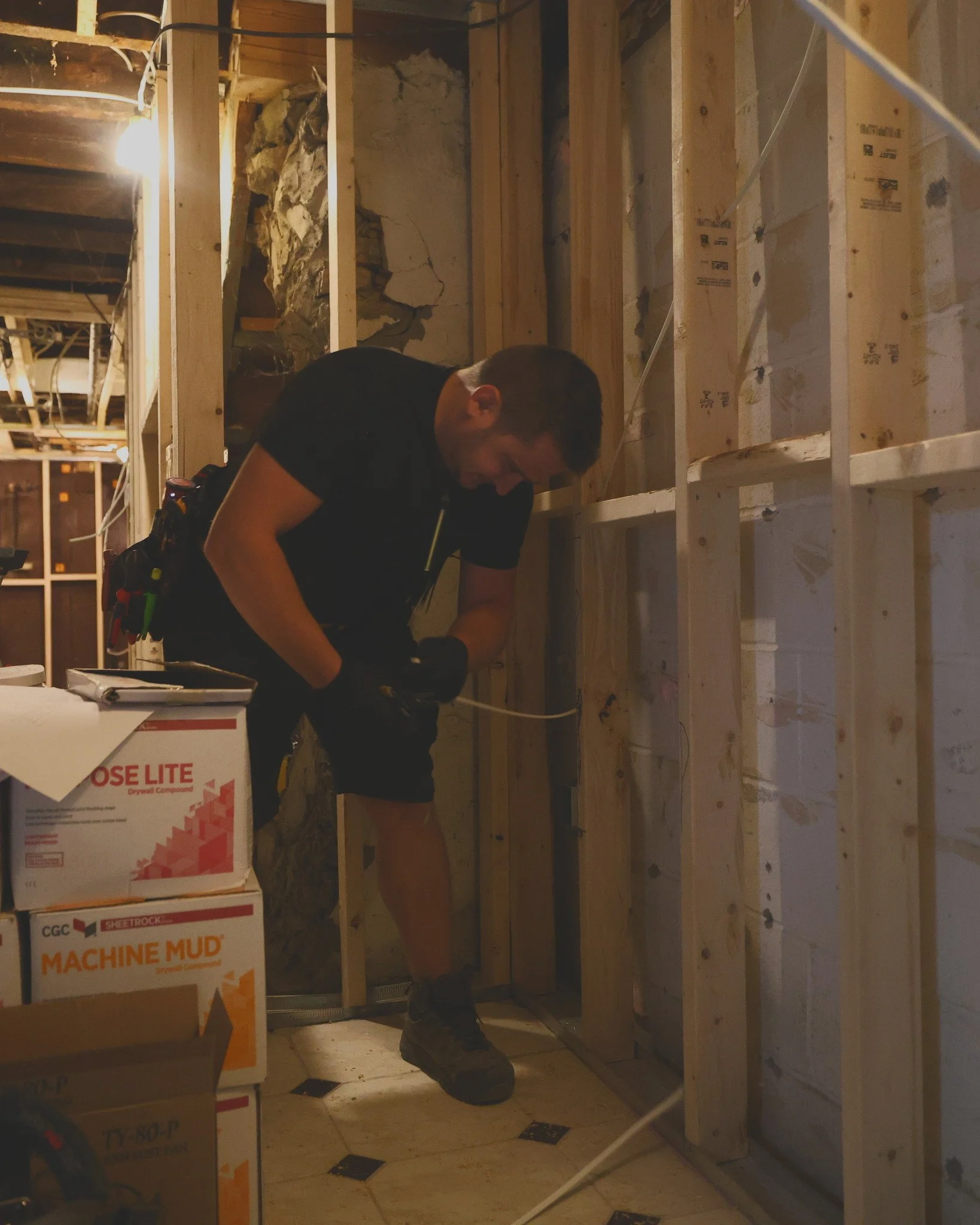
This particular home in The Junction is undergoing a full renovation, and our crew spent the week working through every framed room to complete the electrical rough in from top to bottom. That meant running new circuits through open stud bays, mounting boxes for outlets and switches, feeding cable down through the wall cavities to the panel area, and labelling everything clearly so the next phase of work has no guesswork attached to it.
Older Junction homes often present a mix of challenges during this stage. Many still have sections of original masonry or plaster that our team has to work around carefully, and older service panels sometimes need upgrading to support the electrical demands of a modern household, from kitchen appliances to home offices full of electronics. Every rough in on a home like this involves a bit of problem solving alongside the standard wiring work.
With rough in now complete, this home is ready for insulation and drywall, and eventually for us to come back and finish out the visible details, outlets, switches, light fixtures, and everything else that homeowners actually see and use every day.
What Happens During an Electrical Rough In?
A typical rough in involves several coordinated steps. The electrician first reviews the electrical plan or works with the homeowner and general contractor to confirm where outlets, switches, light fixtures, and any specialty circuits need to go. From there, cable gets run through the framing, following code requirements for spacing, protection, and support along the way.
Boxes are then mounted at the correct height for outlets, switches, and fixtures, and each cable is connected and secured inside its box, ready for the final devices to be installed later. Any dedicated circuits, such as those for a kitchen range, a dryer, or an electric vehicle charger, get planned and run at this stage as well, since retrofitting a dedicated circuit after drywall is far more invasive.
Once everything is run and secured, the work gets reviewed against the Ontario Electrical Safety Code before the next step, which is an inspection through the Electrical Safety Authority.
Passing this inspection is what allows a project to move forward to insulation and drywall with confidence that the wiring underneath is safe and code compliant.
Signs Your Home's Wiring Needs Attention Before a Renovation
Homeowners taking on a renovation in an older Toronto neighbourhood like The Junction, Roncesvalles, or the Danforth often discover wiring issues they did not know existed once walls come open. Warning signs worth watching for ahead of time include frequently tripped breakers, outlets that feel warm to the touch, flickering lights that are not related to a loose bulb, and a service panel that still uses fuses rather than modern breakers.
Knob and tube wiring, still present in some homes built before the 1950s, is another common discovery during a renovation and typically needs to be replaced entirely rather than worked around. If any of these signs sound familiar, it is worth having an electrician assess your panel and wiring before finalizing your renovation plans, since this can affect both budget and timeline.
Why Hire a Licensed Electrical Contractor
Electrical rough in is not a place to cut corners. Miswired circuits, undersized cable, or boxes mounted incorrectly can create real safety hazards once walls are closed up, and problems that go unnoticed at this stage can be expensive and disruptive to fix later. A licensed electrical contractor understands current code requirements, coordinates properly with inspectors, and plans circuits with the home's actual electrical load in mind rather than guessing.
This is exactly the standard our team holds itself to on every project, whether it is a single room addition or a full home renovation like the one currently underway in The Junction. You can see more about the residential wiring and rough in services we offer on our services page.
Getting Your Project Started
Whether you are planning a full renovation or just noticing warning signs in your current wiring, starting with a proper electrical assessment sets the rest of your project up for success. Our team has completed rough in and full rewiring projects across Toronto neighbourhoods with a wide range of home ages and electrical conditions.
If you have a renovation coming up and want an electrical contractor who will get the rough in right the first time, contact AMPS Logics Electric today to book a consultation.
Frequently Asked Questions
How long does an electrical rough in take?
Timing depends on the size of the home and the scope of the renovation. A single room might take a day, while a full home rough in like the one completed in The Junction can take a week or more once every circuit is planned, run, and prepared for inspection.
Can I move outlets or add circuits after rough in is complete?
Yes, but it becomes more disruptive once drywall is installed, since the wall needs to be opened again to make changes. This is why reviewing your outlet and switch layout carefully before rough in begins is so important.
Does electrical rough in require an inspection?
Yes. In Ontario, electrical work must be inspected through the Electrical Safety Authority before walls can be closed with insulation and drywall. This inspection confirms the wiring meets the Ontario Electrical Safety Code.
What if my home has knob and tube wiring or an old fuse panel?
Both are common in older Toronto homes and typically need to be addressed during a renovation. A licensed electrician can assess whether a full rewire or a panel upgrade is needed and build that into your renovation plan and budget.
Call (647) 648-4507 or visit theamps.ca to request your free estimate.