Industrial Energy Studies: Optimizing Power Consumption and Electrical Performance
In today’s industrial sector, efficiency is no longer optional — it is essential for maintaining profitability, reliability, and long-term operational success. As energy costs continue to rise and production demands increase, industrial facilities are under growing pressure to improve how they consume and manage electrical power. One of the most effective ways to achieve this is through a comprehensive energy study and load optimization strategy.
At The AMPS, we help industrial facilities identify inefficiencies, improve electrical performance, and reduce unnecessary energy consumption through professional electrical assessments and optimization solutions. By understanding how a facility uses electricity and where energy losses occur, businesses can make informed decisions that improve both operational efficiency and overall system reliability.
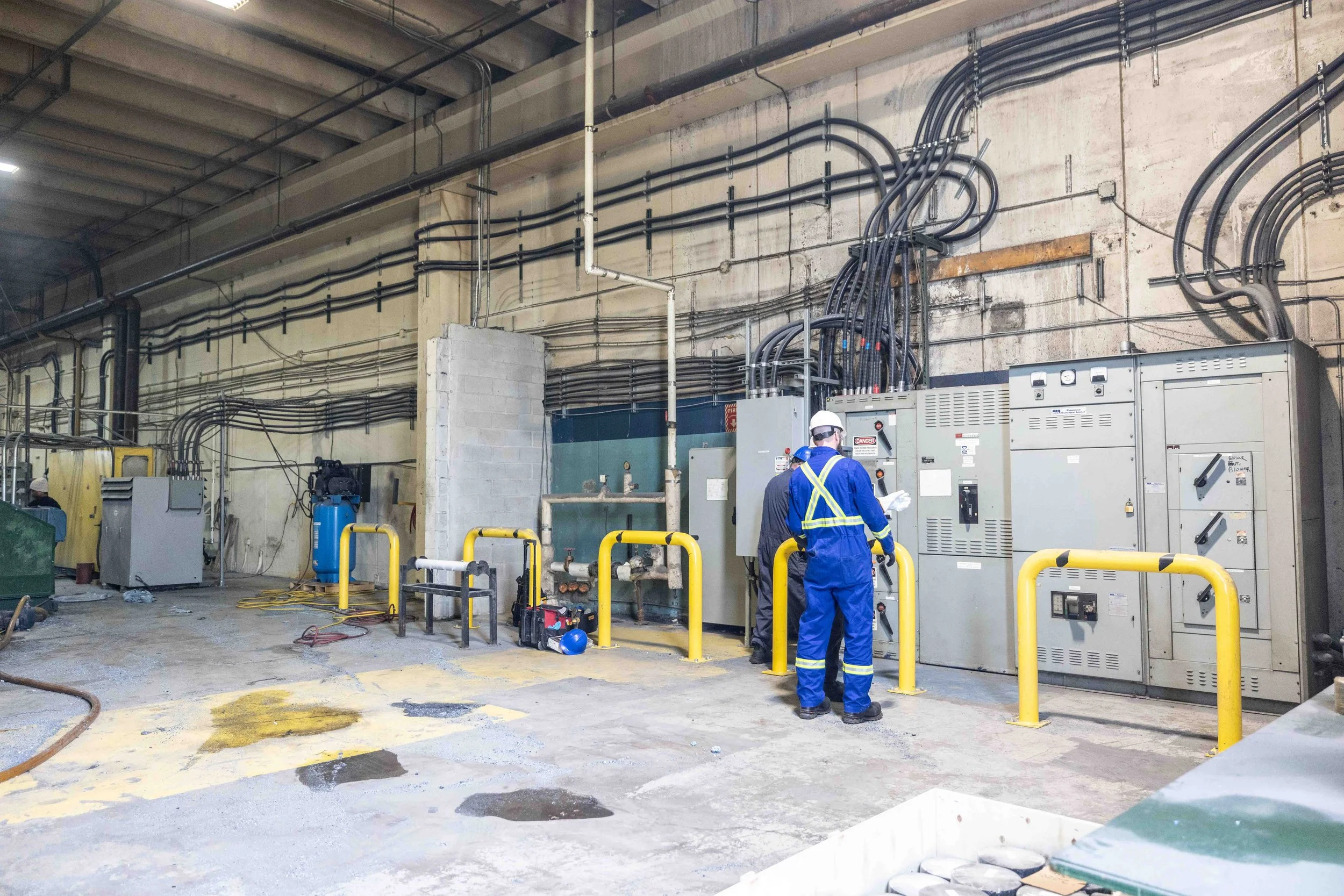
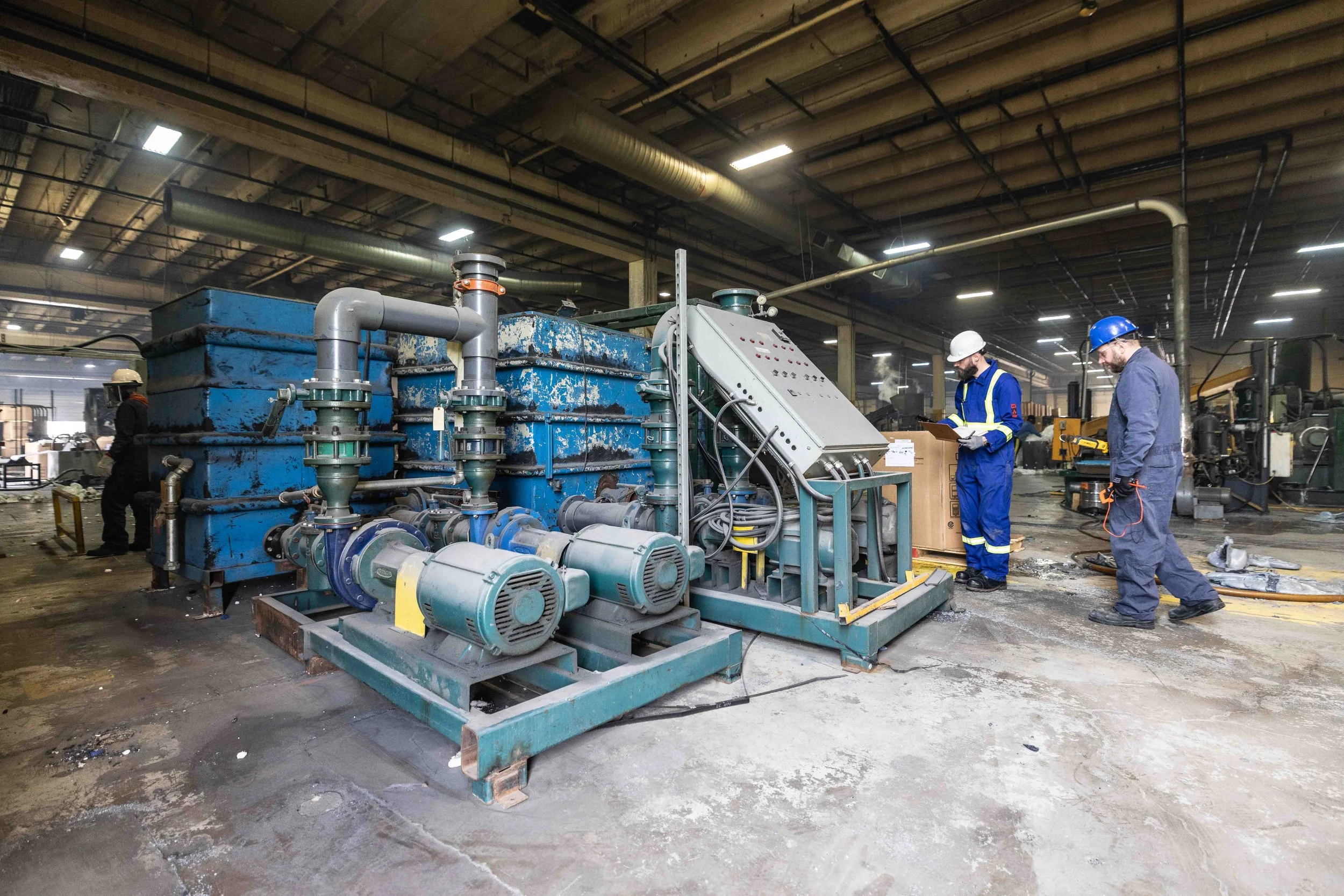
What Is an Industrial Energy Study?
An industrial energy study is a detailed analysis of a facility’s electrical systems, energy consumption patterns, and equipment performance. The purpose of the study is to identify areas where energy is being wasted and determine opportunities to improve efficiency without compromising productivity.
Industrial facilities rely on complex electrical systems that power machinery, lighting, HVAC systems, automation equipment, production lines, and other critical infrastructure. Over time, these systems can become inefficient due to aging equipment, improper load distribution, outdated technologies, or changes in operational demand.
An energy study provides a complete picture of how power flows throughout a facility. This process may include:
Monitoring electrical loads
Evaluating power quality
Measuring peak demand usage
Assessing equipment efficiency
Identifying voltage fluctuations
Detecting unnecessary energy consumption
Reviewing distribution systems
Analyzing operational schedules
The data collected during the study allows electrical professionals to recommend practical solutions that improve system performance while reducing operating costs.
Why Energy Efficiency Matters in Industrial Facilities
Industrial operations consume large amounts of electricity every day. Even small inefficiencies can result in significant energy losses over time. Poor electrical performance can increase utility bills, strain equipment, reduce productivity, and contribute to unexpected downtime.
Facilities that fail to optimize their power consumption often experience issues such as:
Overloaded circuits
Excessive peak demand charges
Power quality problems
Equipment overheating
Reduced motor efficiency
Unstable voltage levels
Increased maintenance requirements
These problems not only impact operational costs but can also shorten the lifespan of critical equipment. An optimized electrical system operates more reliably, improves safety, and helps facilities maintain consistent production levels.
Energy efficiency also supports sustainability initiatives. Many businesses are looking for ways to reduce their environmental impact while improving operational performance. Lower energy consumption reduces greenhouse gas emissions and helps organizations meet corporate sustainability goals.
The Importance of Load Optimization
Load optimization plays a major role in improving industrial electrical efficiency. Electrical loads within a facility are constantly changing based on production schedules, machinery usage, and operational demand. Without proper management, facilities can experience uneven load distribution and unnecessary energy waste.
Load optimization involves analyzing how electricity is used across the facility and making adjustments to improve balance and efficiency. This may include redistributing loads, upgrading equipment, modifying operating schedules, or implementing automation systems that reduce unnecessary power consumption.
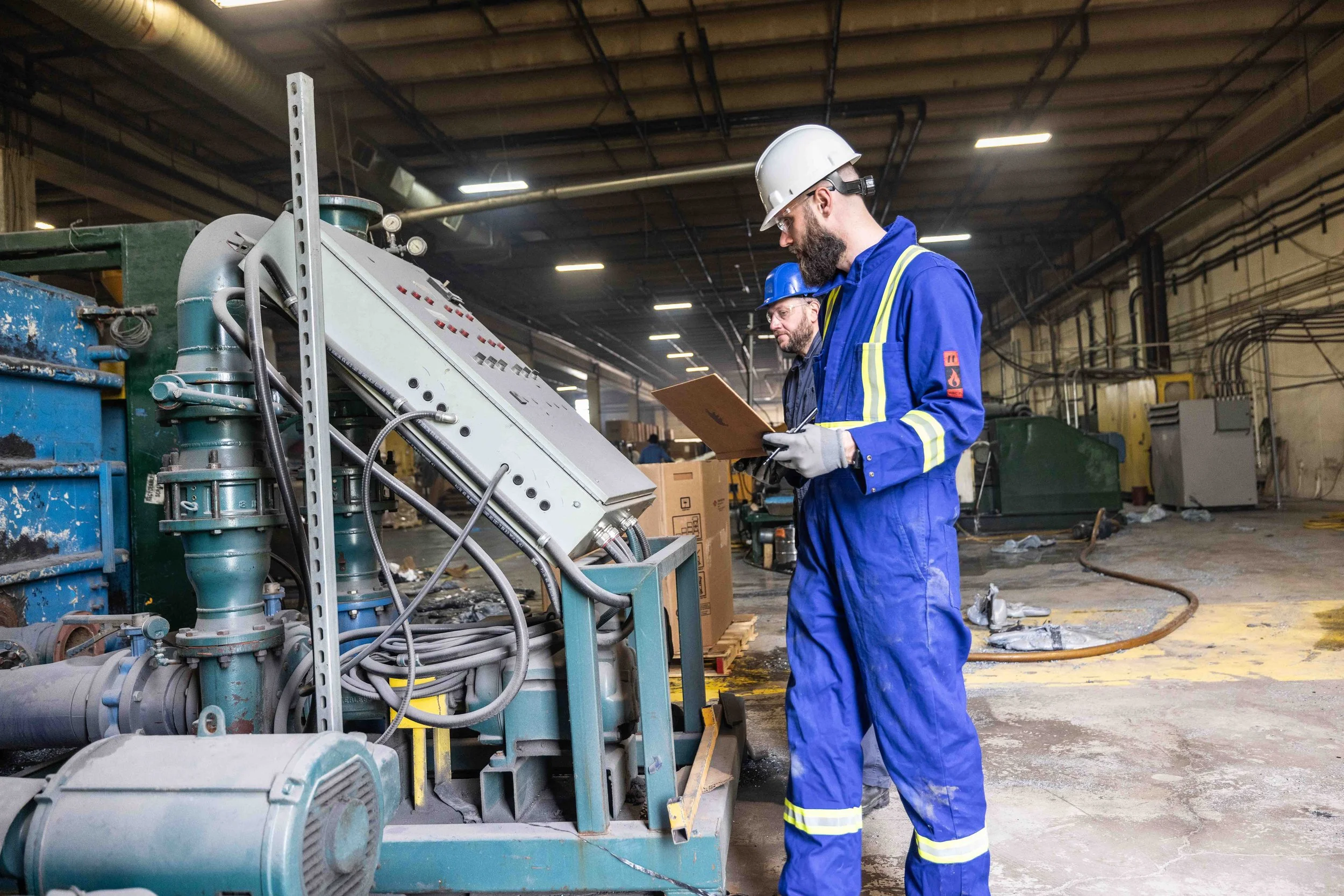
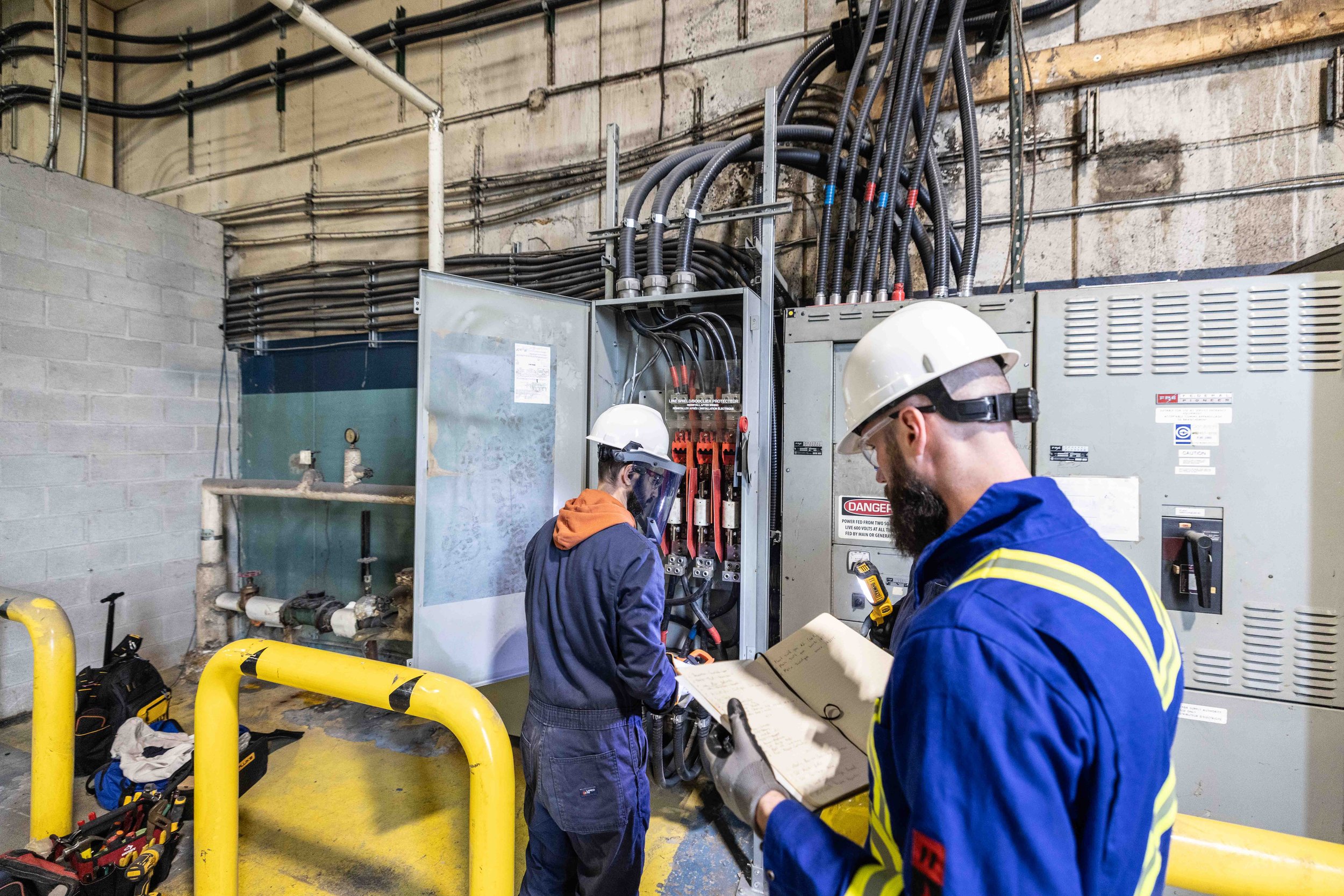
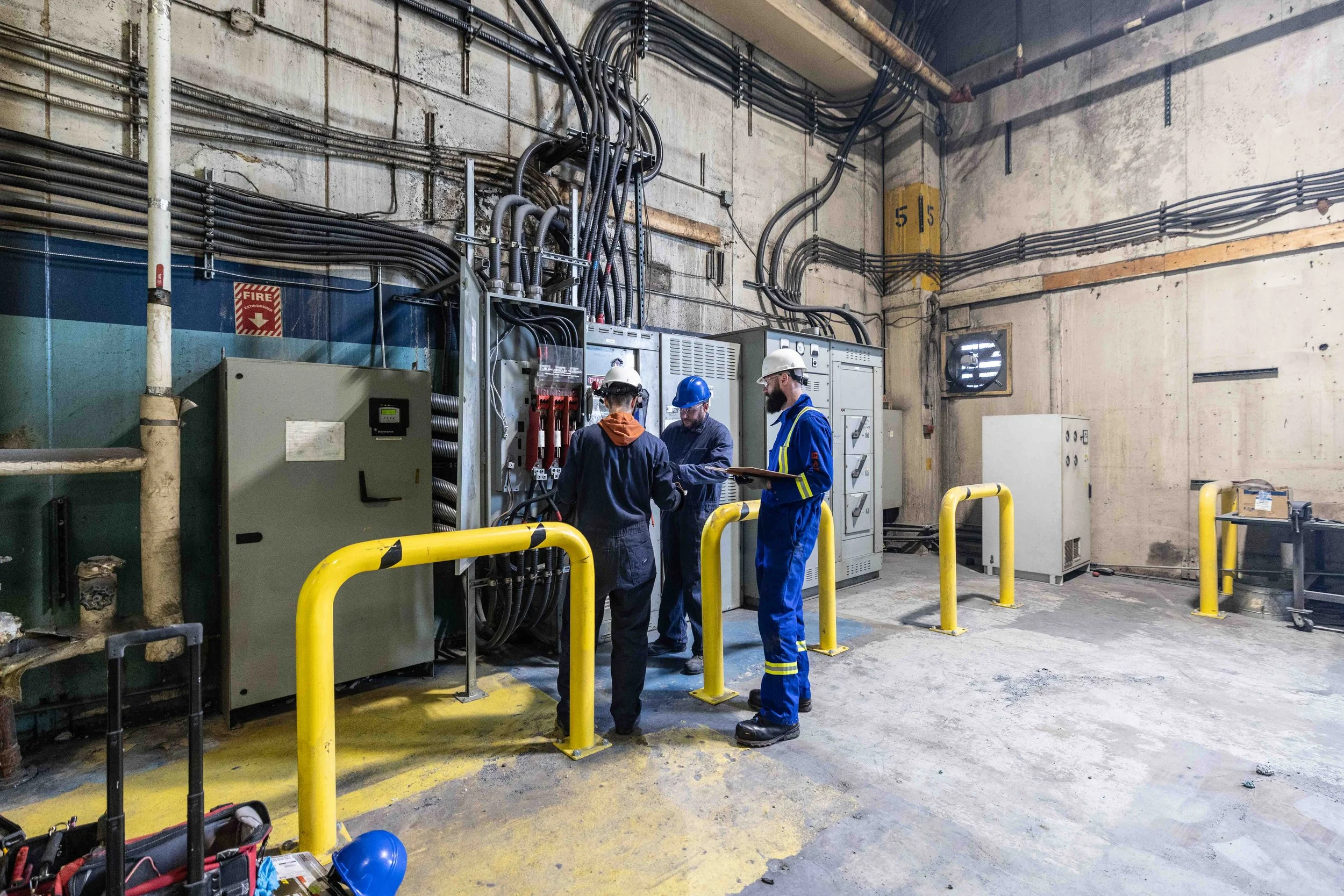
Industrial technicians inspecting electrical equipment and monitoring energy systems inside a manufacturing facility.
One of the most common issues in industrial facilities is peak demand spikes. Utility companies often charge higher rates when facilities consume large amounts of electricity during short periods of time. By identifying these demand spikes and adjusting equipment operation schedules, facilities can significantly reduce energy costs.
Optimizing load consumption also improves electrical system stability. Balanced electrical loads reduce stress on transformers, switchgear, and distribution systems, helping prevent overheating and equipment failure.
Improving Power Quality and Reliability
Power quality is another critical component of industrial electrical performance. Poor power quality can negatively affect sensitive equipment, reduce production efficiency, and increase maintenance costs.
Issues such as voltage sags, harmonic distortion, transient spikes, and power factor imbalances can damage equipment and interrupt operations. Industrial facilities that rely heavily on automation and electronic controls are particularly vulnerable to power quality issues.
During an energy study, electrical professionals evaluate the quality of power throughout the facility and identify areas where corrective action may be needed. Solutions may include:
Power factor correction systems
Harmonic filtering
Voltage regulation
Surge protection
Equipment upgrades
Improved grounding systems
These improvements help maintain stable electrical performance while protecting valuable industrial equipment.
Reliable electrical systems are essential for minimizing downtime. Unexpected outages or equipment failures can result in costly production delays and safety concerns. Preventative electrical optimization reduces the likelihood of these disruptions and improves overall operational reliability.
Modern Technologies That Improve Efficiency
Advancements in electrical technology have created new opportunities for industrial facilities to improve energy efficiency and system performance. Modern energy management systems allow businesses to monitor electrical usage in real time and quickly identify inefficiencies.
Some common energy-efficient upgrades include:
LED Lighting Retrofits
Industrial facilities often operate large lighting systems for extended hours. Replacing outdated lighting with LED technology can significantly reduce electricity consumption while improving visibility and reducing maintenance requirements.
Smart Monitoring Systems
Real-time monitoring systems provide valuable insights into electrical performance and energy usage. These systems allow facility managers to detect abnormalities, monitor demand, and make data-driven decisions to improve efficiency.
Automation and Control Systems
Automated controls help optimize equipment operation by reducing unnecessary power usage during non-peak periods. Smart controls can automatically adjust lighting, HVAC systems, and production equipment based on operational needs.
High-Efficiency Motors and Equipment
Older industrial equipment often consumes more electricity than modern high-efficiency alternatives. Upgrading motors, compressors, and other heavy-duty equipment can produce substantial long-term energy savings.
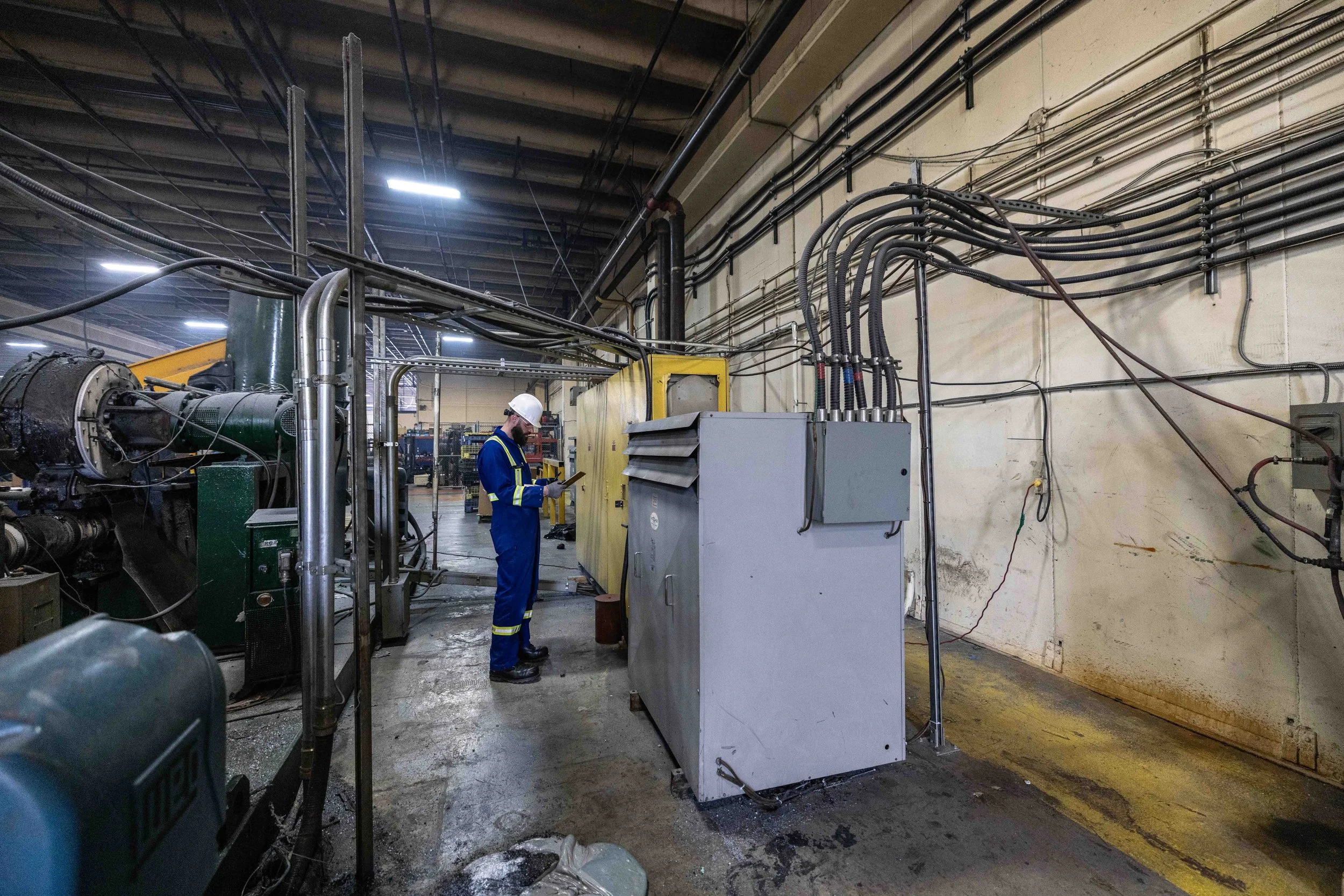
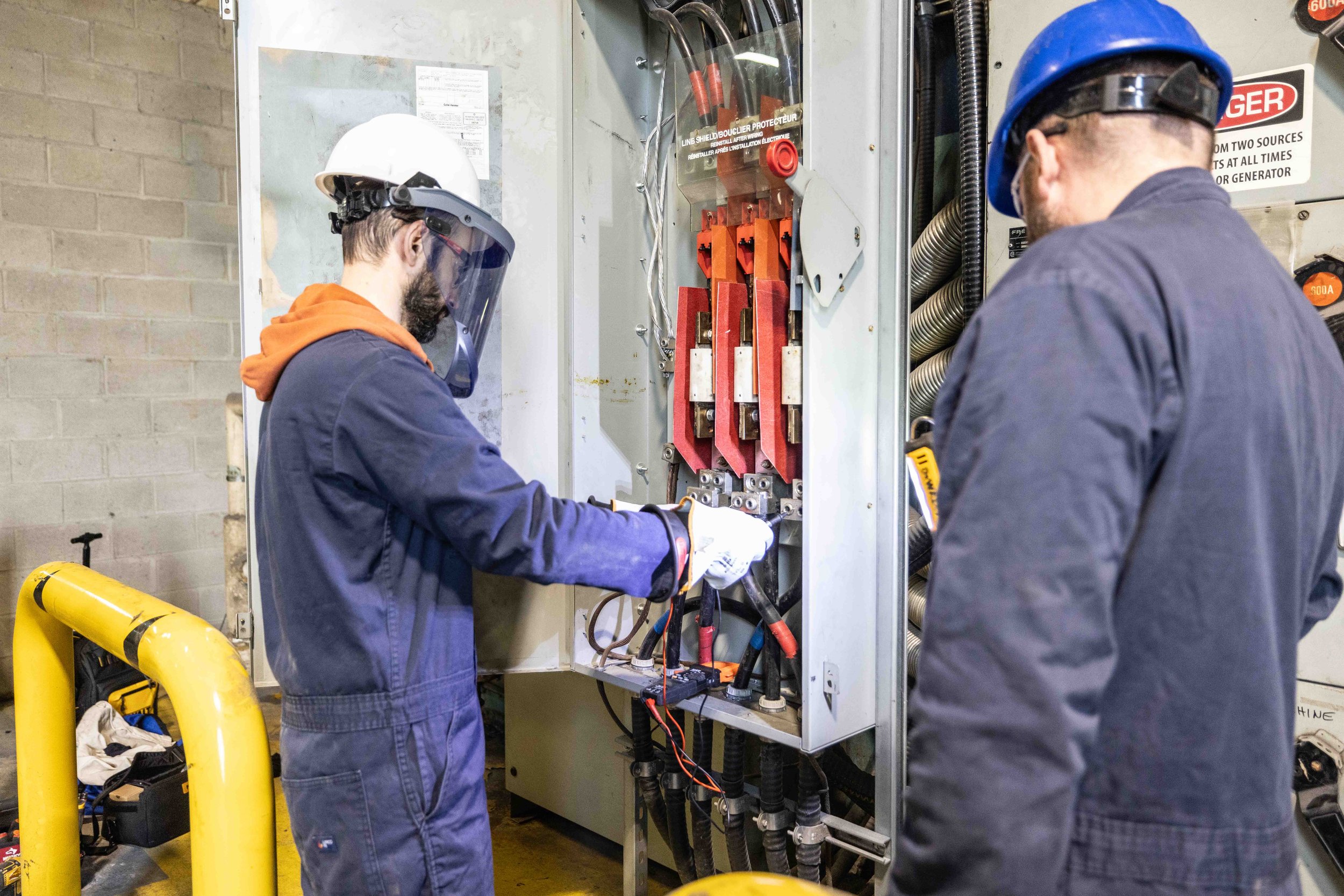
Industrial electrician inspecting electrical panels and power systems inside a manufacturing facility.
Preventative Maintenance Programs
Routine maintenance ensures electrical systems continue operating efficiently and safely. Preventative inspections help identify worn components, loose connections, overheating equipment, and other issues before they lead to failures.
The Long-Term Benefits of Energy Studies
Conducting an industrial energy study offers both immediate and long-term benefits. Facilities that invest in electrical optimization often experience:
Lower utility costs
Reduced downtime
Improved equipment lifespan
Better system reliability
Increased productivity
Enhanced workplace safety
Reduced environmental impact
Greater operational control
Energy optimization is not simply about reducing power usage — it is about improving the overall performance of the facility. Efficient electrical systems create more stable operations, reduce maintenance costs, and support future business growth.
As industrial operations continue evolving, facilities that prioritize energy efficiency will be better positioned to remain competitive in their industries.
Partner With The AMPS
At The AMPS, we understand that efficiency and performance go hand in hand. Our experienced team provides professional industrial electrical services designed to help facilities improve power consumption, system reliability, and operational performance.
We work closely with clients to conduct detailed energy studies, evaluate electrical infrastructure, and implement solutions tailored to the unique needs of each facility. Whether your goal is lowering operating costs, improving power quality, or preparing your facility for future expansion, our team is committed to delivering reliable and efficient electrical solutions.
If your industrial facility is ready to improve efficiency and optimize electrical performance, contact The AMPS today to learn how our energy study and load optimization services can support your operations.